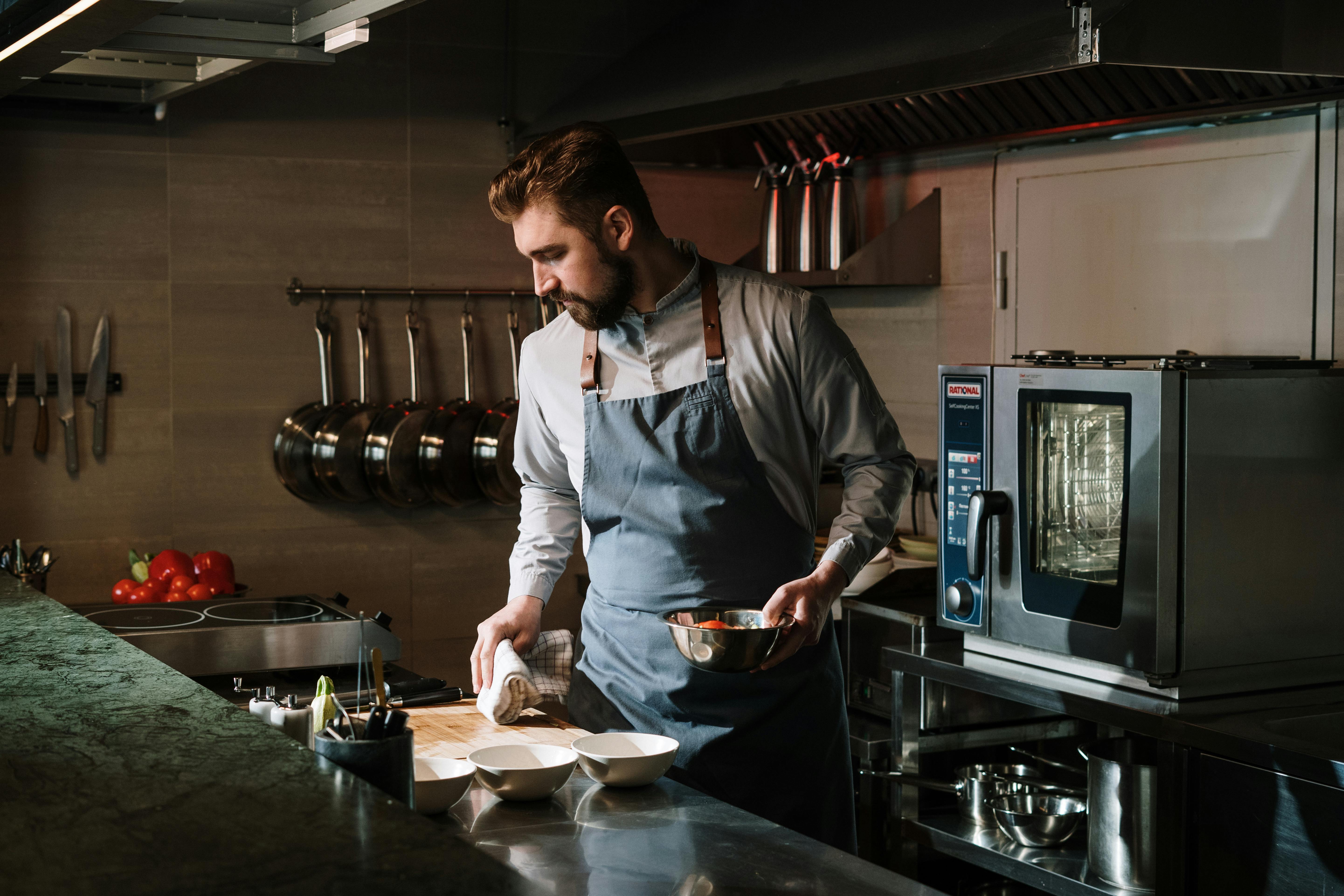
Embarking on the journey of home cooking can be as challenging as it is rewarding. Whether you’re setting up your first kitchen or looking to refine your culinary skills, understanding the fundamentals is essential. This guide offers valuable insights for home cooks, focusing on essential tips and techniques that form the backbone of any great kitchen. From selecting the right tools to mastering basic cooking skills, these tips will help enhance your kitchen experience and bring joy to your culinary endeavors.
Choose the Right Kitchen Tools
The first step in becoming a proficient home cook is equipping your kitchen with the right tools. Here are some must-have items every home cook should consider:
- Chef’s Knife: A versatile tool for chopping, slicing, and dicing.
- Cutting Board: Opt for a durable board to protect your countertops and knives.
- Measuring Cups and Spoons: Essential for accurate measurements in baking and cooking.
- Mixing Bowls: Useful for combining ingredients and preparing mixtures.
- Skillet: A non-stick or cast iron skillet for frying, searing, and saut?ing.
For more information on choosing the right kitchen tools, explore further insights here.
Master Basic Cooking Techniques
Understanding and mastering basic cooking techniques can elevate your home-cooked meals. Here are some fundamental techniques to focus on:
- Saut?ing: Quick and easy, perfect for cooking vegetables and small pieces of meat.
- Boiling: A basic method for cooking grains, pasta, and blanching vegetables.
- Roasting: Ideal for meats and vegetables, enhancing flavor through caramelization.
- Baking: Essential for preparing bread, cakes, and desserts.
- Grilling: Adds a unique charred flavor, suitable for meats and vegetables.
Read more about this topic to deepen your understanding of these techniques.
Organize Your Kitchen for Efficiency
An organized kitchen not only saves time but also makes cooking more enjoyable. Here are some tips to maintain an efficient kitchen space:
- Declutter: Remove unnecessary items and keep only what you use regularly.
- Designate Zones: Create specific areas for food preparation, cooking, and cleaning.
- Accessible Storage: Store frequently used items within easy reach.
- Label Containers: Use labels for spices and pantry items to avoid confusion.
Learn more in this detailed guide about organizing your kitchen effectively.
Practice Food Safety
Maintaining food safety is crucial in any kitchen. Follow these guidelines to ensure safe food handling:
- Wash Hands: Regularly wash hands with soap before and after handling food.
- Separate Raw and Cooked Foods: Prevent cross-contamination by using separate cutting boards and utensils.
- Cook to Safe Temperatures: Use a food thermometer to ensure meats are cooked thoroughly.
- Refrigerate Promptly: Store perishable foods at the correct temperature to prevent spoilage.
For more details on maintaining food safety, find additional information here.
Conclusion
By focusing on these kitchen basics, home cooks can enhance their skills and make the cooking process more enjoyable and efficient. From selecting the right tools to mastering essential techniques and prioritizing food safety, these foundational elements are key to successful home cooking. As you continue to experiment and grow in your culinary journey, remember that practice and patience are your greatest assets. Happy cooking!