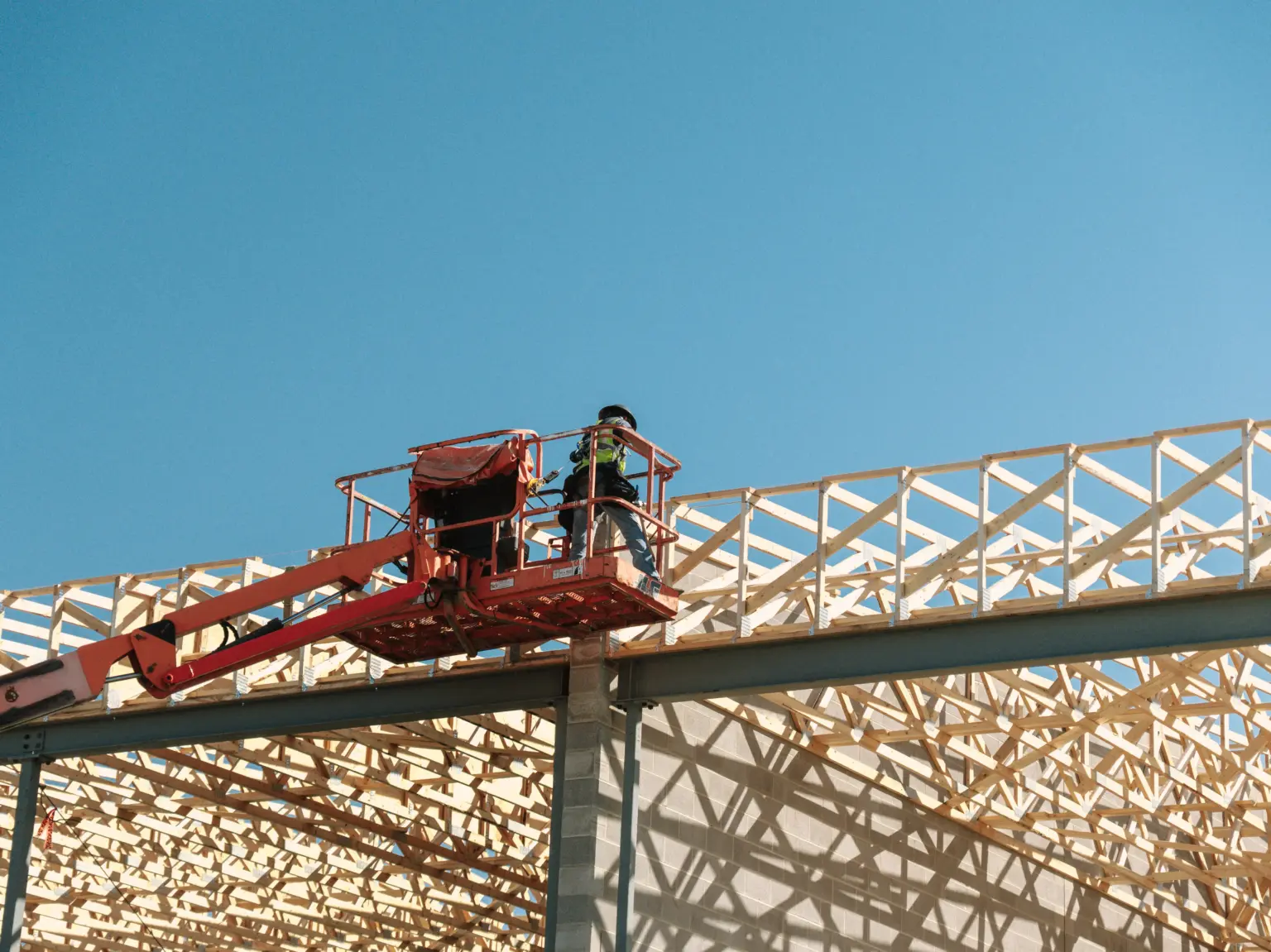
Industrial construction projects are often vast undertakings that require meticulous planning, precise execution, and seamless coordination among multiple stakeholders. With the complexity and scale that these projects entail, streamlining processes becomes crucial to ensure timely and cost-effective completion. The need for efficiency is even more pronounced in the face of tight deadlines, budget constraints, and the ever-present demand for high-quality outcomes. By leveraging advanced technologies, adopting best practices, and implementing strategic planning, industrial construction projects can be significantly optimized.
Implementing Advanced Technologies
The integration of advanced technologies in industrial construction has proven to be a game-changer. These technologies not only enhance productivity but also lead to more accurate results, reducing the likelihood of costly errors.
- Building Information Modeling (BIM): BIM provides a digital representation of the physical and functional characteristics of a facility. This technology facilitates better collaboration and communication among stakeholders by offering a shared knowledge resource. Learn more in this detailed guide.
- Automation and Robotics: The use of automation and robotics in construction tasks can significantly minimize human error and increase efficiency. Automated machinery can perform repetitive tasks with precision, allowing human workers to focus on more complex activities.
- 3D Printing: This innovative technology enables the creation of complex structures with reduced material waste and time. It is particularly beneficial for constructing prototypes and components in shorter timeframes.
Adopting Best Practices
Best practices in industrial construction are essential for streamlining processes and achieving project goals. These practices encompass various aspects of project management and execution.
Effective Communication
Clear and consistent communication among all parties involved is paramount. This ensures that everyone is on the same page, reducing misunderstandings and facilitating smoother project progression. Explore further insights here.
Project Management Tools
Utilizing sophisticated project management tools can aid in tracking progress, managing resources, and scheduling activities efficiently. These tools offer a centralized platform for monitoring project metrics and milestones, ensuring that the project stays on track.
Quality Assurance
Implementing robust quality assurance protocols is vital for maintaining the standard of work. Regular inspections and audits help identify potential issues early, allowing for corrective actions to be taken promptly.
Strategic Planning and Risk Management
Strategic planning is the backbone of any successful construction project. It involves anticipating potential challenges and devising strategies to mitigate them. Effective risk management ensures that projects are prepared to handle unforeseen events without significant disruptions.
- Comprehensive Risk Assessment: Identifying potential risks early in the project allows for the development of contingency plans to address these risks effectively. Read more about this topic.
- Resource Allocation: Efficient allocation of resources, including manpower, materials, and machinery, can prevent bottlenecks and ensure the smooth progression of the project.
- Timeline Management: Establishing realistic timelines and adhering to them is essential for preventing delays. Regular progress reviews can help adjust timelines as necessary to accommodate any changes in project scope.
Streamlining industrial construction projects is a multifaceted endeavor that requires a combination of technology, best practices, and strategic planning. By embracing these elements, construction professionals can enhance efficiency, reduce costs, and deliver high-quality projects within the stipulated timeframes. To further delve into the intricacies of industrial construction project management, find additional information here.