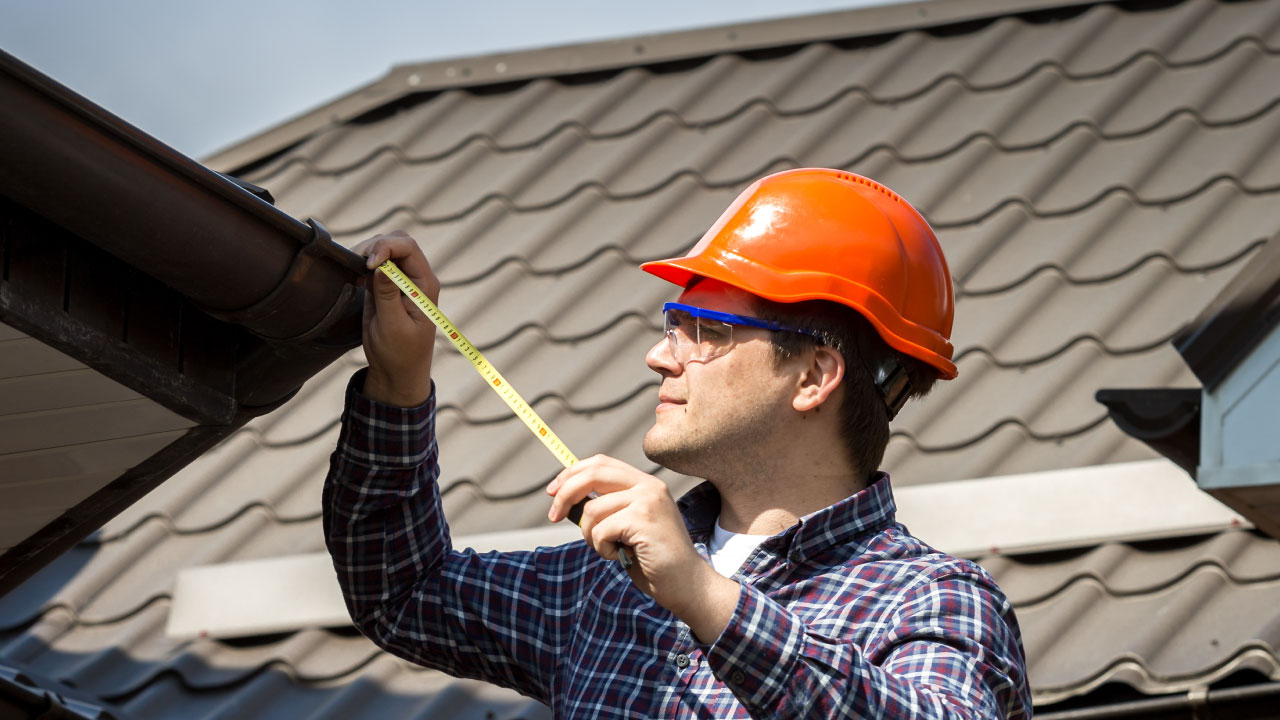
Roof inspections in Florida play a crucial role in maintaining a safe and secure home environment. Given the unique weather conditions and natural elements encountered in this region, regular roof inspections help homeowners identify potential issues before they escalate into costly repairs. With the state frequently experiencing hurricanes, heavy rains, and intense sunshine, roofs in Florida face constant challenges that can compromise their integrity. Consequently, understanding the importance of thorough roof inspections is vital for homeowners who aim to protect their investments and ensure the longevity of their property.
Why Regular Roof Inspections Matter
A regular florida roof inspection can reveal a variety of potential problems that might otherwise go unnoticed. The tropical climate in Florida poses unique challenges that make these inspections essential. Here are a few reasons why regular inspections are important:
- Early Detection of Damage: Inspections can uncover minor issues such as loose shingles or small leaks before they develop into significant problems.
- Weather Resistance: Regular checks ensure that the roof is adequately prepared to withstand severe weather events, common in Florida.
- Insurance Claims: Having documentation from regular inspections can simplify the process of filing insurance claims in the event of storm damage.
- Cost-Effectiveness: Identifying and addressing small issues early can prevent expensive repairs down the line.
Elements of a Comprehensive Roof Inspection
A thorough roof inspection goes beyond a simple visual check. It involves several steps to ensure every aspect of the roof is assessed for potential vulnerabilities. A comprehensive inspection should include the following components:
Exterior Inspection
- Shingle Condition: Inspect for missing, loose, or curling shingles that could lead to leaks.
- Flashing Integrity: Check the flashing around chimneys, vents, and other protrusions to ensure they are sealed properly.
- Gutter Systems: Ensure gutters are clear and free of debris to facilitate proper drainage.
Interior Inspection
- Attic Examination: Inspect the attic for signs of water damage or moisture buildup.
- Insulation Check: Verify that the insulation is intact and effective in preventing heat transfer.
- Structural Assessment: Look for signs of sagging or structural weakening in the roof framework.
Weather Considerations for Florida Roofs
Florida’s climate presents specific challenges that make regular roof inspections indispensable. The combination of high humidity, strong winds, and intense sun exposure can accelerate wear and tear. Homeowners should consider the following weather-related factors:
- Hurricane Preparedness: Ensure roofs are fortified to withstand high winds and flying debris.
- UV Damage: Prolonged sun exposure can degrade roofing materials over time, necessitating UV-resistant coatings or materials.
- Heavy Rainfall: Proper drainage systems are crucial to prevent water accumulation and related damage.
Choosing a Qualified Inspector
Selecting the right professional to conduct a roof inspection is essential to obtaining a comprehensive evaluation. When choosing an inspector, consider the following:
- Experience and Credentials: Look for inspectors with extensive experience in the region and relevant certifications.
- Comprehensive Reporting: Ensure the inspector provides a detailed report with findings and recommendations.
- Local Knowledge: An inspector familiar with Florida’s specific roofing challenges can offer more nuanced insights.
Ultimately, regular roof inspections are a proactive step in maintaining the safety and value of a home. By understanding the unique challenges posed by Florida’s climate and ensuring that roofs are inspected by qualified professionals, homeowners can protect their properties from damage and extend the lifespan of their roofing systems.